
Root Canal Procedure in Turkey
Also known as: Root canal therapy · Endodontic treatment · Endodontic therapy · Root canal procedure · Dental root canal treatment
The root canal procedure at Auradentis in Istanbul takes 60–90 minutes: anaesthetic, access through the top of the tooth, cleaning and shaping the canals, sealing them, then a filling or crown. It is quoted per case after your photos are reviewed, with the crown listed separately; you receive a written price before you book.
- Price
- from €130
- Visits
- 1 visit
- Appointments
- 1–2 of 60–90 min
- Success rate
- 80–95%*
Last updated 2026-10-14
 35 min · Istanbul Airport
What it is
This page walks through the procedure step by step so you know what happens in the chair and what to expect afterwards.
Knowing the procedure helps you plan the trip: front teeth are done in one sitting and you can fly the next day; an infected molar may need a second short visit two or three days later.
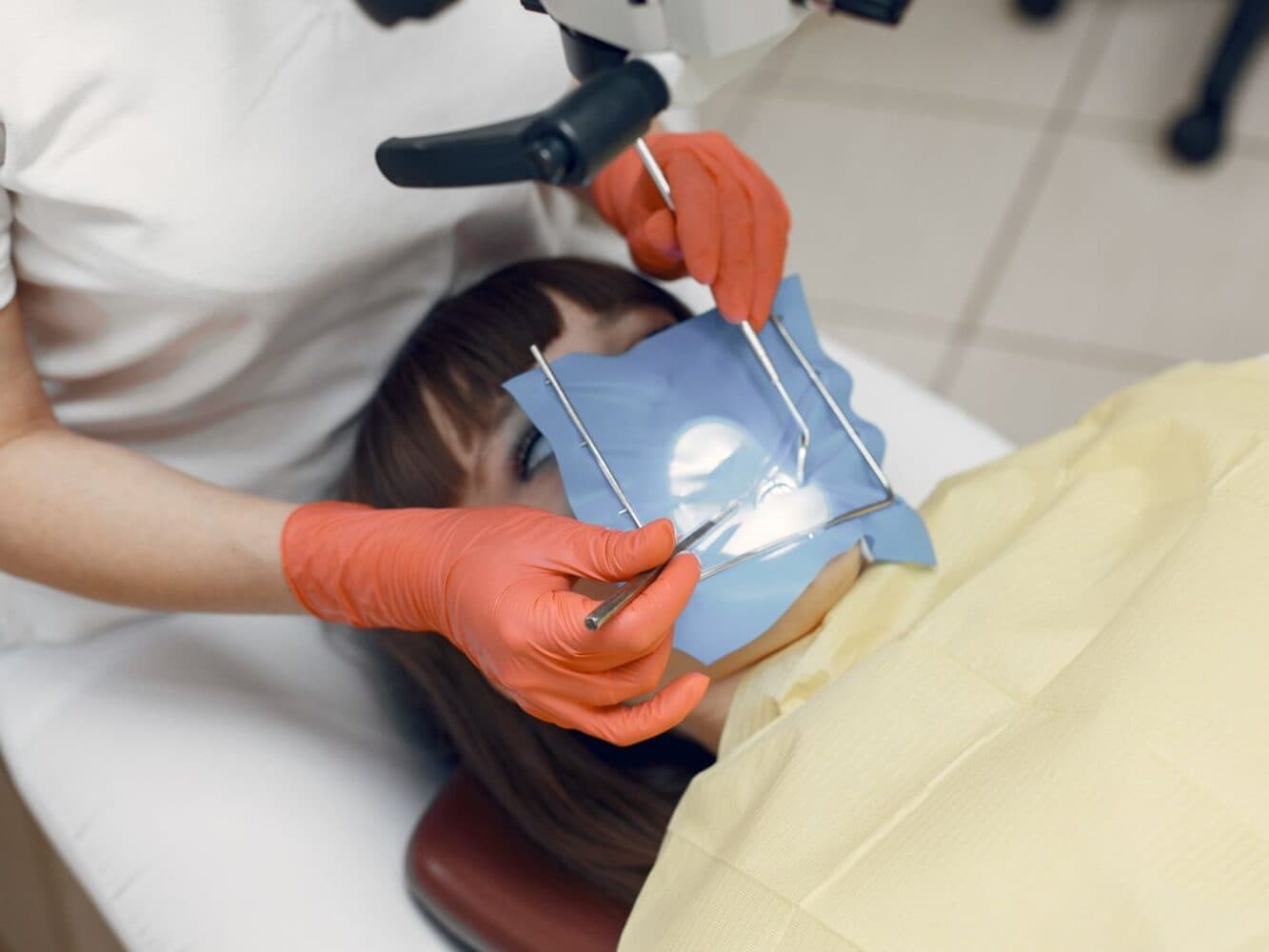
Step by step: anaesthetic, rubber dam, an opening through the crown of the tooth, the canals located and measured, cleaned and shaped with rotary files, then filled with gutta-percha and sealed. A temporary or permanent restoration closes the access, and a crown follows on back teeth.
A root canal saves a tooth whose nerve is infected or dead: the canals are cleaned, disinfected and sealed, and the tooth is then protected with a filling or crown. It is how you keep a tooth instead of extracting it.
Root canals are done by an endodontist or dentist using magnification and rotary instruments. Most are completed in one appointment. *Success is 90–95% when the tooth is vital with no lesion or unusual anatomy, around 80% for a non-vital tooth, and around 60% for retreatment of an old root canal; a tooth with a lesion that needs several sessions is better treated at home.
- Why patients choose it
- Keeps your own tooth
- Endodontist or dentist, magnification
- Often one appointment
- Pain gone once the infection is removed
Prices, published
Indicative 2026 ranges compared with the UK and Germany. Your written quote is fixed before you book a flight.
Price basis: per tooth
- Root canal treatmentAuradentis€130UK£400–900Germany€400–800
- Molar root canal treatmentAuradentis€190UK£600–1,200Germany€600–1,000
| Option | Auradentis, Istanbul | UK | Germany |
|---|---|---|---|
| Root canal treatment | €130 | £400–900 | €400–800 |
| Molar root canal treatment | €190 | £600–1,200 | €600–1,000 |
- Consultation and X-rays
- Premium composite materials
- Airport transfers, 25 minutes each way
- Patient coordinator on WhatsApp before, during and after
- Video follow-up once you are home
Our own list price, quoted in euros. A crown on the treated tooth is priced separately. UK and German figures are typical private fees, for comparison.
Step by step
- 1Before you fly
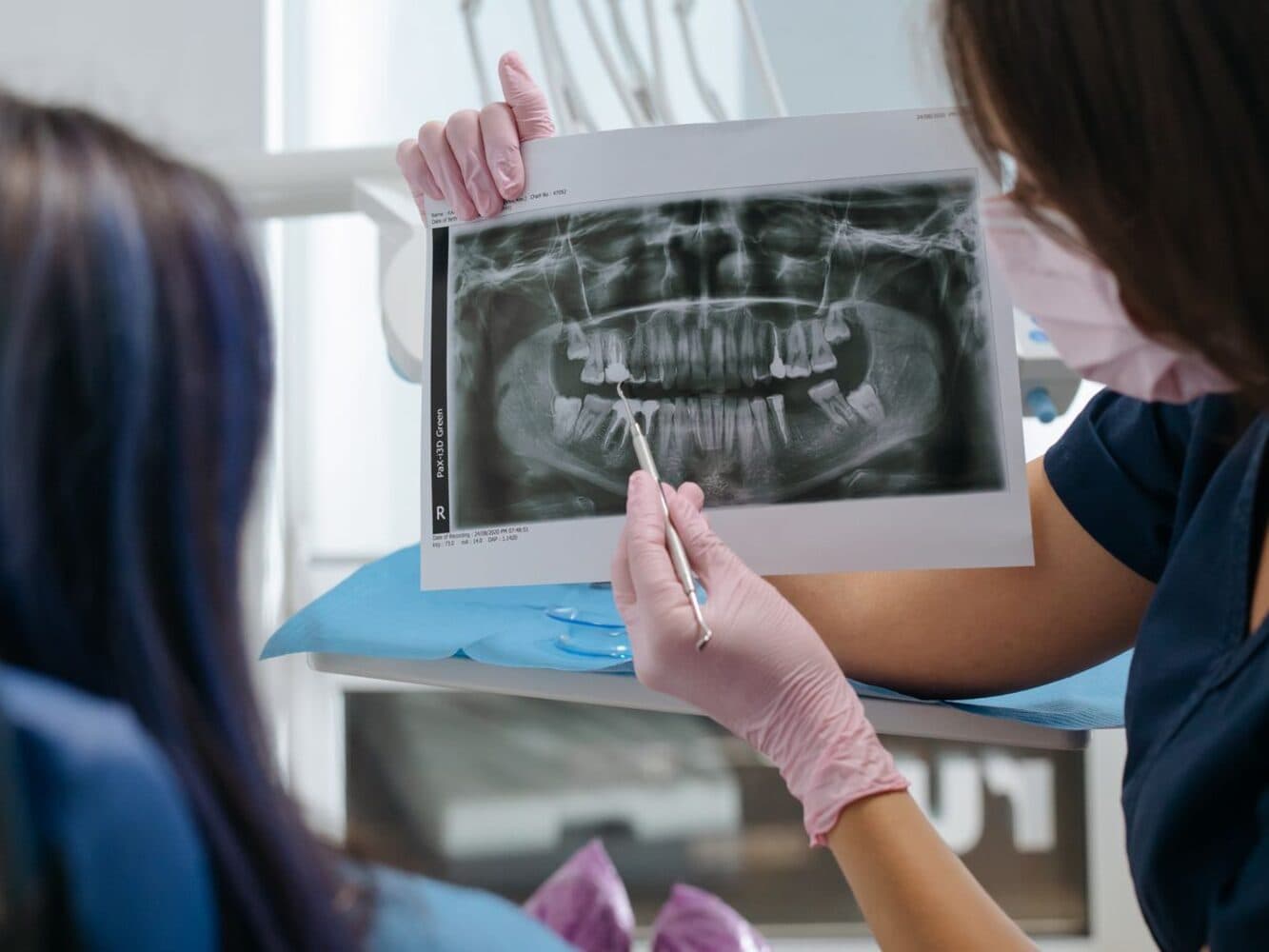
X-ray review
Send an X-ray if you have one, or photos and a description of the pain. We plan the canal and any crown together.
- 2Day 1 · 60–90 min
Cleaning and shaping
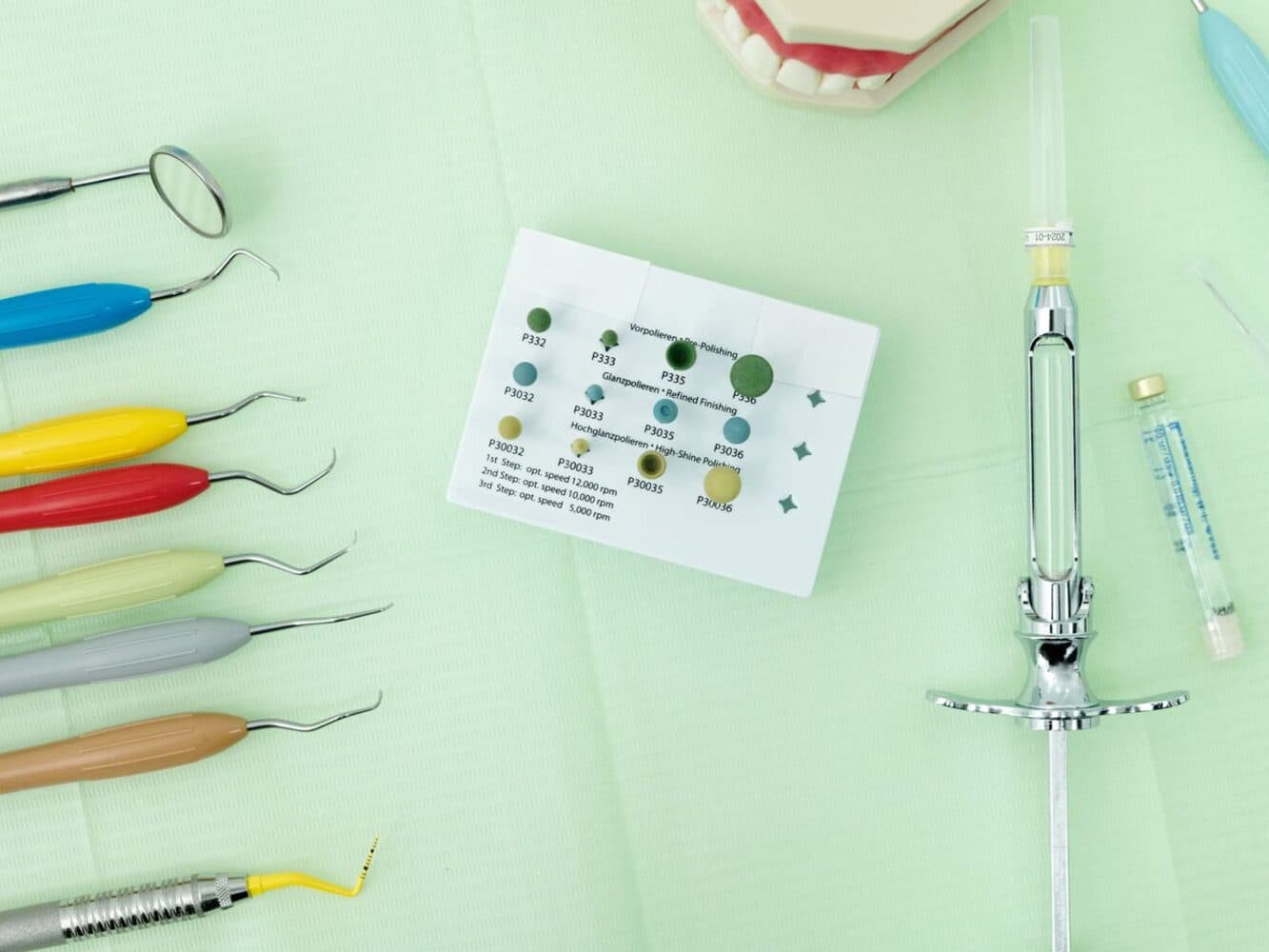
Local anaesthetic, rubber dam, canals located under magnification, cleaned and shaped.
- 3Day 1–2
Filling and sealing
Canals sealed with gutta-percha; a second visit only if the infection needs more time.
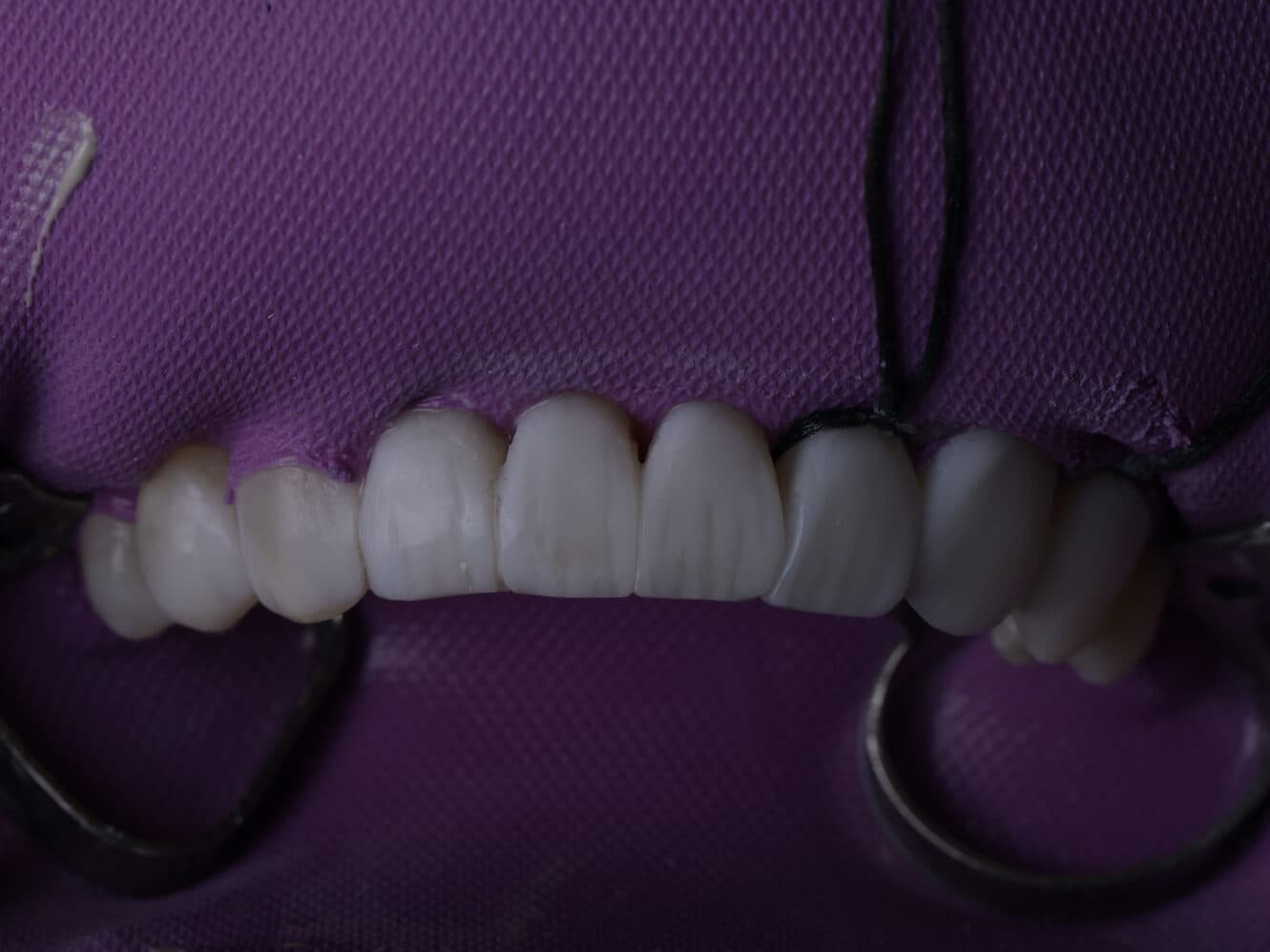
- 4Day 3–6
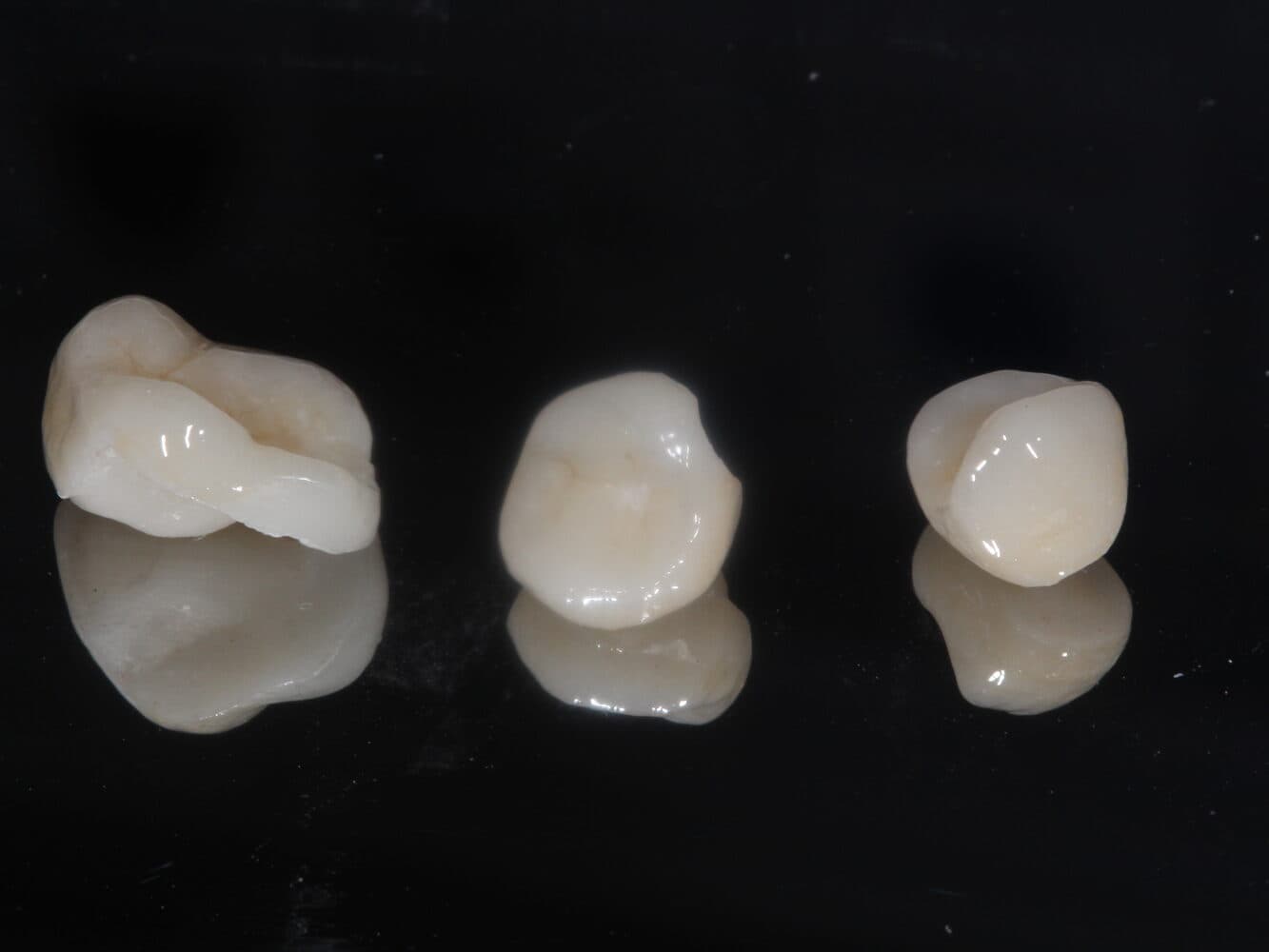
Crown
Back teeth usually get a zirconium crown to prevent fracture.
Is it right for me?
Usually a good fit
- ✓Toothache, especially at night or with heat
- ✓Abscess or swelling
- ✓Deep decay or crack reaching the nerve
- ✓A tooth that needs a crown but has a dead nerve
Not ideal, or treated first
- –Vertical root fracture (extraction and implant instead)
- –Teeth with too little structure left to restore
- –Very curved or blocked canals may need a specialist retreatment plan
What can go wrong
Every treatment has risks. Here are the honest ones, and what we do about them.

Persistent infection (5–10%)
Some teeth do not heal and need retreatment or apical surgery. We tell you the odds for your tooth before starting.
Fracture
A root-treated back tooth without a crown can crack. That is why the crown is part of the plan.
Post-treatment soreness
Tenderness on biting for a few days is normal and settles with over-the-counter painkillers.
Aftercare and how long it lasts
- Avoid chewing on the tooth until the crown is fitted
- Painkillers for 2–3 days if needed
- Normal brushing and flossing
- Check X-ray at 12 months, which can be sent to us
A root-treated tooth with a crown can last as long as any other tooth: 10–20 years or more.
Questions patients ask
What are the steps of a root canal?
Anaesthetic, rubber dam, opening the tooth, removing the nerve, cleaning and shaping the canals, disinfecting, sealing with gutta-percha, then a filling or crown.
How long does the procedure take?
Sixty to ninety minutes for most teeth; molars with three or four canals can take longer or a second visit.
What happens after the procedure?
Tenderness for two to three days, normal eating once numbness wears off, and a crown on back teeth within a few weeks.
How many appointments does it take?
One for most teeth, sixty to ninety minutes. A second is added when infection needs time to settle before the canals are sealed.
Can I fly straight after a root canal?
Yes. Cabin pressure can make a treated tooth feel slightly tender on the first flight, so we schedule the treatment at the start of your stay rather than the day you leave.
How much is a root canal in Turkey?
€130 per tooth, or €190 on a molar, against £400–900 privately in the UK. A crown on the treated tooth is priced separately.
Does it hurt?
No. With modern anaesthetic the procedure is painless; it is the infection before treatment that hurts. Mild tenderness afterwards is normal.
Can it be done in one visit?
Usually yes, including the crown, within four to six days. Teeth with large abscesses may need a second appointment.
Can I fly straight after?
Yes. Pressure changes can cause mild discomfort in the first day, so we schedule the canal early in your stay.
Related treatments


Send your photos. A dentist replies with a plan and a price.
No obligation, no call unless you want one.