
Turkey teeth: what went wrong in those cases, and how to avoid it
The viral cases are mostly crowns on healthy teeth. Here is the difference between a crown and a veneer, the red flags in a plan, and what a good plan looks like.
By [Dr. Full Name] · Updated 15 September 2026
What the term means
"Turkey teeth" describes an over-white, over-uniform smile, usually a full set of crowns placed for cosmetic reasons. The problem is not the country; it is the plan. The same work is done badly in London and well in Istanbul.
Crown vs veneer, in one sentence each
A veneer is a thin shell bonded to the front of the tooth; 0.3–0.7 mm of enamel is removed. A crown covers the whole tooth; 1–2 mm is removed all round and the tooth is shaped to a peg. Crowns are right for broken or heavily filled teeth. On healthy teeth, they are over-treatment.
Red flags in a plan
- 16–20 crowns proposed for cosmetic reasons on healthy teeth
- One price whatever your case, before anyone has seen your photos
- No named dentist, no diploma you can check
- "Lifetime guarantee" on cosmetic work; dental regulation forbids treatment guarantees for a reason
- No mention of bonding or whitening as alternatives
What a good plan looks like
- Each tooth listed with its own treatment and why
- The least invasive option first: whitening, then bonding, then veneers, crowns only where a tooth needs one
- A digital preview and a temporary mock-up before anything is final
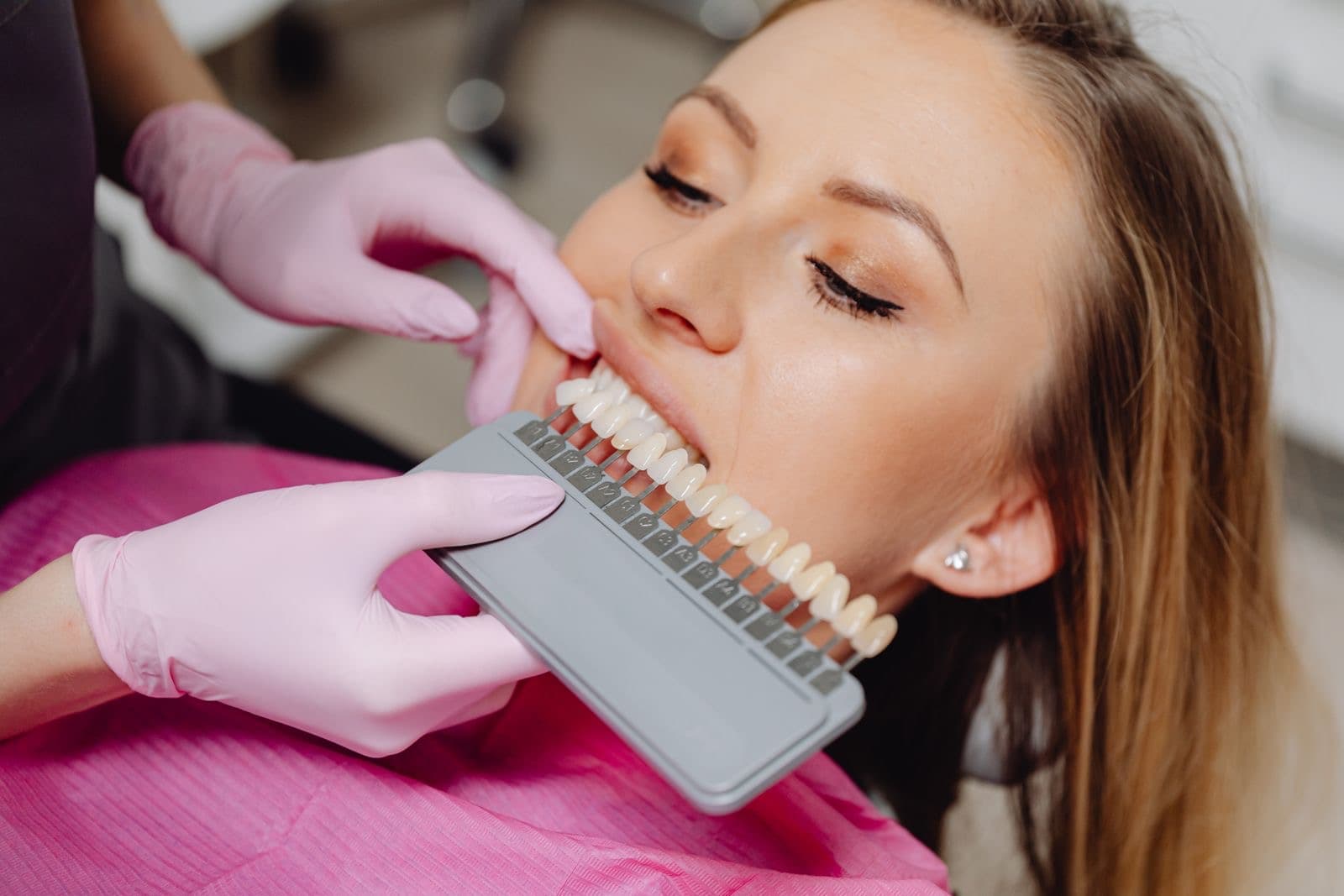
- A shade chosen for your face, not the whitest on the chart
- A written record of materials and a follow-up plan
Our position
Auradentis is built around composite bonding, the least invasive cosmetic treatment, and says no to crowning healthy teeth. Read is Turkey safe for dental work and composite bonding vs veneers.