

How long does composite bonding last?
Five to eight years is the honest answer, and what you do with your teeth decides where you land in that range.
Updated 1 October 2026
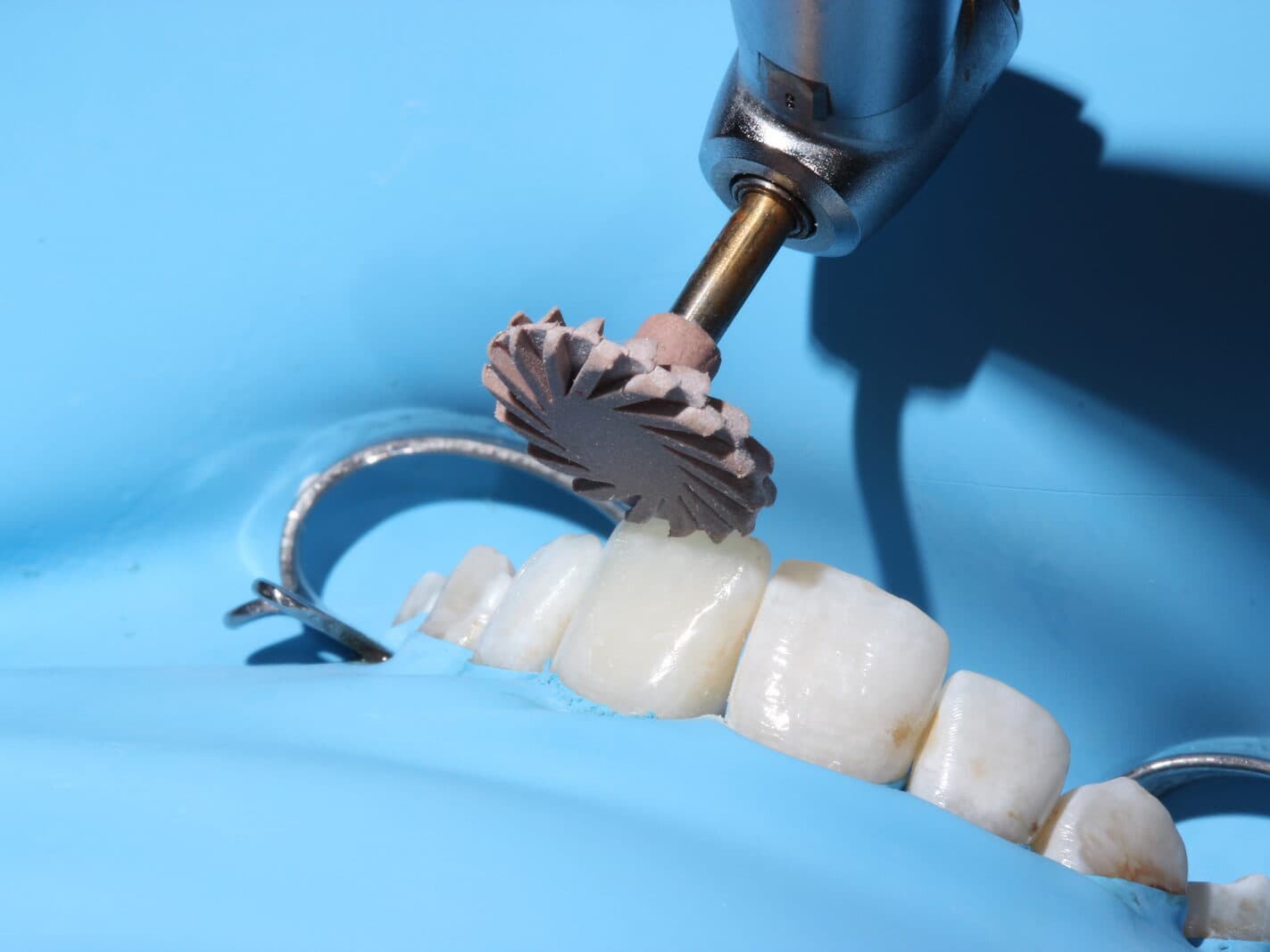
The short answer
Five to eight years. Some patients come back at year ten with bonding that only needs a polish; others chip an edge in the first year because they open packaging with their front teeth. The material is the same, the habits are not.
What actually wears out
Composite does not fail all at once. Three things happen slowly:
- Surface polish dulls. The glassy finish picks up micro-scratches from brushing and chewing. A polish at your check-up brings it back.
- The margin picks up stain. Where composite meets tooth there is a fine line. Coffee, tea, red wine and smoking darken it before they darken the composite itself.
- An edge chips. Usually on a biting edge, usually from something hard rather than from normal eating.
None of those mean the bonding has failed. All three are repairable.
What shortens it
Grinding. If you clench or grind at night, composite on front edges takes the load every night for years. A night guard is the single biggest thing you can do for the lifespan of your bonding.
Using teeth as tools. Biting thread, opening bottles, tearing tape, chewing pens. Natural enamel tolerates this for a while; a bonded edge does not.
Staining habits without hygiene. Composite is more porous than enamel, so it absorbs colour. Coffee and cigarettes with poor brushing will dull bonding in two or three years rather than six.
Nail biting and ice. Both concentrate force on exactly the edge that was rebuilt.
What extends it
Follow your dentist's oral-hygiene advice, which for bonded teeth means brushing twice a day with a soft brush and cleaning between the teeth daily. Have the bonding polished when you have a hygiene appointment. Wear a night guard if you grind. Rinse with water after coffee instead of brushing straight away, because brushing immediately after something acidic scratches the surface while it is softened.
Repairs are the point
This is the real advantage over porcelain. If a composite edge chips, the dentist adds material to the chip, shapes it and polishes it. It takes minutes, nothing is removed, and the tooth underneath is untouched. A chipped porcelain veneer usually has to be replaced, which means preparing the tooth again.
At Auradentis, composite repairs are free of charge when you come back to the clinic. Travel and accommodation are not covered. If something bothers you after you fly home, send photos or a short video first; most questions are answered without a trip.
When to redo rather than repair
After six to eight years the whole set often looks slightly duller than the natural teeth around it, and small repairs no longer even it out. At that point redoing the bonding gives a better result than patching. The good news is that you start from the same tooth you had, because minimal preparation was done the first time.
How it compares
Porcelain veneers last ten to fifteen years and resist stain better, but they remove enamel and cost more. Bonding keeps the tooth and keeps your options open. If you are weighing the two, read composite bonding vs veneers or the full composite bonding page.
In one visit
Composite bonding is finished in a single visit of one to five hours depending on how many teeth are treated, so a trip of one to two days in Istanbul covers it. The clinic is 25 minutes from Sabiha Gökçen Airport.