
All-on-4 vs All-on-6: which one, and why the scan decides
Four or six implants per jaw, cost difference, bone requirements and what happens if one implant fails.
By [Dr. Full Name] · Updated 15 September 2026
The difference in one paragraph
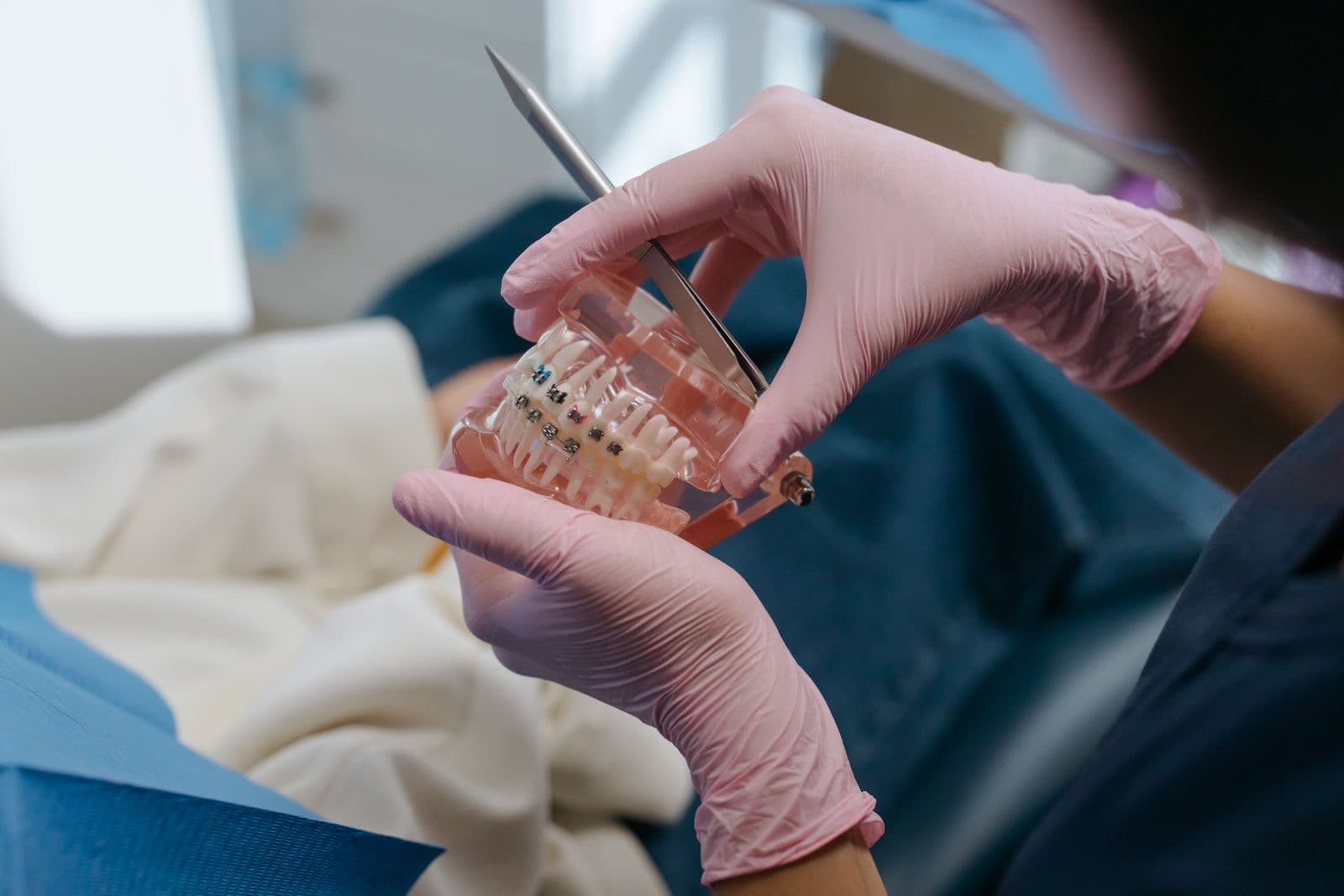
Both replace a full arch with a fixed bridge. All-on-4 uses four implants, two of them tilted to use the strongest bone; All-on-6 uses six, spreading the load and leaving more margin if one fails. Four is the standard; six is chosen for softer bone, the upper jaw, or heavy bite forces.
Cost per arch
| Turkey (Auradentis) | UK | |
|---|---|---|
| All-on-4, hybrid bridge | £[—] | £12,000–16,000 |
| All-on-4, zirconia bridge | £[—] | £16,000–22,000 |
| All-on-6 | £[—] | £18,000+ |
What the scan decides
Bone height and density in the back of the jaw. Good bone: four implants are plenty. Thin or soft bone, especially the upper jaw near the sinus: six implants or a graft. Your CBCT scan is reviewed before you fly and the quote prices both options if both are possible.
If one implant fails
With four, a failure during healing usually means placing a replacement and waiting. With six, the bridge can often stay in place on the remaining five. That margin is the main argument for six.
Same-day teeth, either way
Both options give you a fixed temporary bridge on the first visit and the final bridge three to six months later.